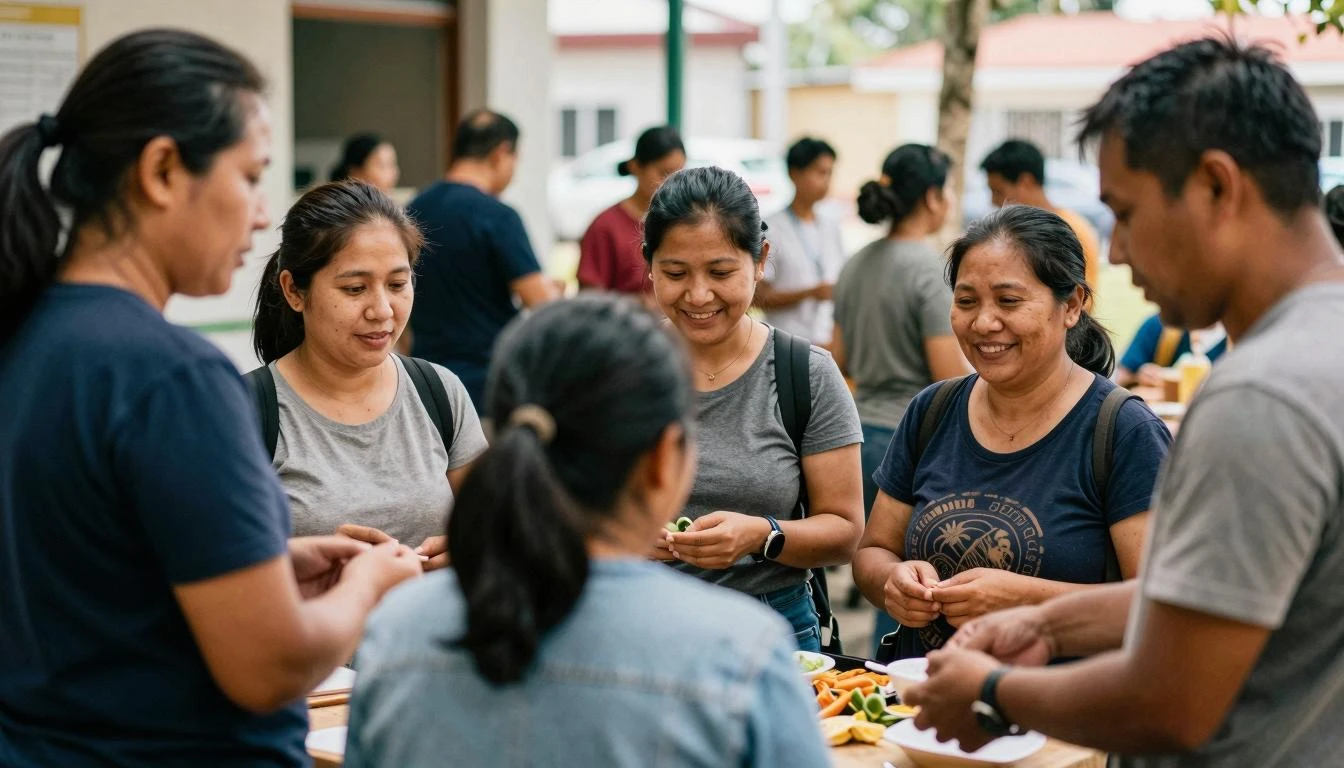
Local Attractions Worth Exploring Today
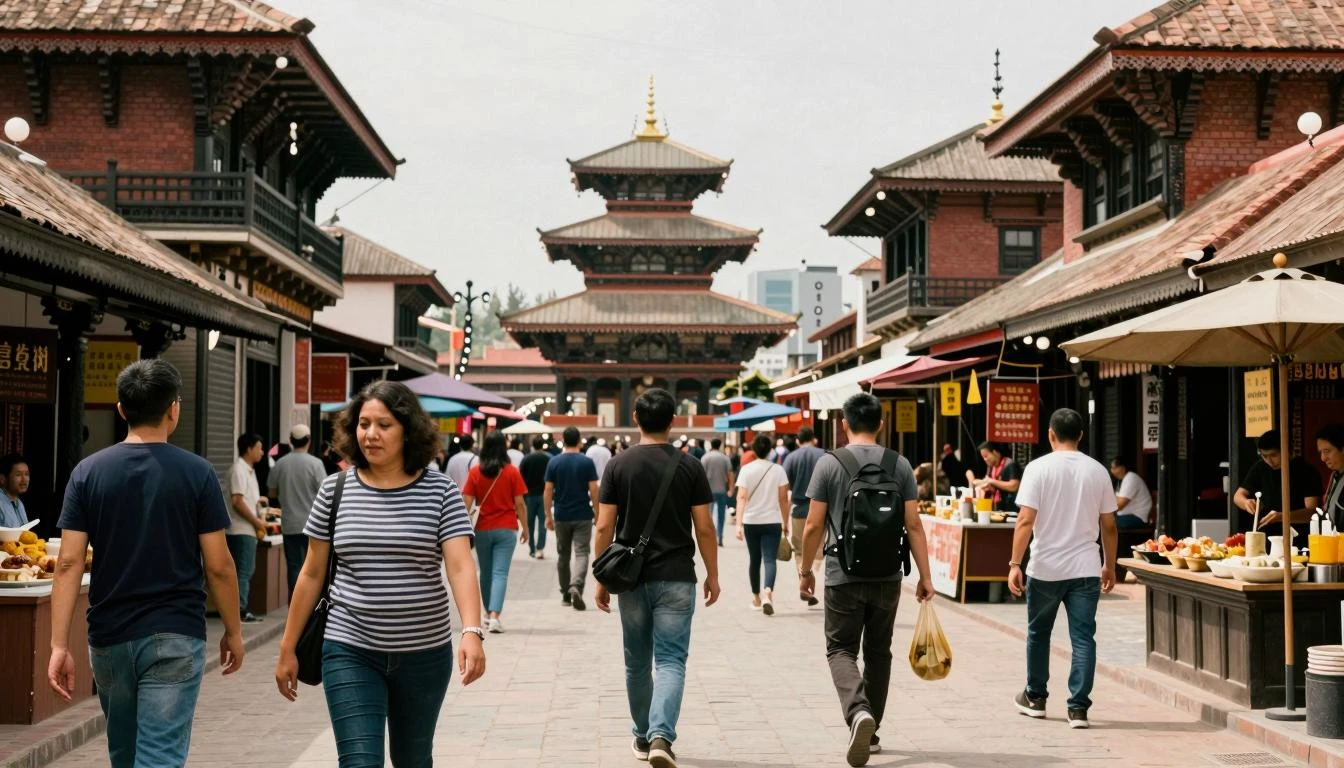
Food has always been more than survival, it is memory encoded in taste, geography translated into aroma, and culture expressed through every shared meal. When you explore deeper, you realize that every dish carries invisible threads connecting generations, landscapes, and identities in ways language alone cannot explain.
In today’s globalized world, curiosity about traditional cuisine local flavors continues to rise as people seek authenticity beyond modern fast food culture. These flavors are not just recipes, they are living cultural expressions shaped by time, tradition, and human connection.
Exploring Traditional Cuisine Around The World
Food is one of the most powerful cultural connectors on Earth. Yet, every region interprets it differently, creating a rich mosaic of taste shaped by history, belief systems, and environment.
Modern travelers and food enthusiasts are increasingly drawn toward cultural dishes, regional recipes, and deeper understanding of food heritage that reflects identity and tradition across civilizations.
Why traditional dishes remain culturally important
Traditional dishes act as cultural memory preserved in edible form. They are often tied to rituals, celebrations, and life milestones. As food anthropologist Dr. Michael Krondl explains, “Cuisine is the most intimate form of cultural storytelling,” showing how deeply traditional cuisine local flavors are tied to collective identity.
The connection between food and community identity
Food binds communities in ways few other cultural elements can. Shared meals reinforce belonging, while cooking traditions reflect values and social structure. Through the lens of food anthropology, we see how cuisine becomes a living symbol of identity and continuity.
Discovering recipes rooted in local heritage
Exploring regional recipes is like walking through a living museum of human history. Each ingredient and cooking method reflects migration patterns, trade routes, and environmental adaptation that shaped communities over centuries.
Understanding The Origins Of Local Flavors
The essence of flavor begins long before cooking starts. It begins in soil, climate, and geography, which determine what ingredients thrive and how cultures evolve their culinary identity.
Concepts such as terroir-based cooking, street food culture, fermentation traditions, and indigenous ingredients help explain how deeply food is tied to place and environment. Supporting keywords like cultural dishes and regional recipes further highlight this connection between nature and tradition.
How geography influences culinary traditions
Mountains, oceans, and fertile valleys all shape food culture in unique ways. Coastal regions often develop seafood-based diets, while inland areas rely on grains, livestock, and preservation techniques. This is why traditional cuisine local flavors differ dramatically across regions.
The role of ingredients in regional cooking styles
Ingredients define identity. Spices, herbs, and grains are not just components, they are cultural markers. The use of indigenous ingredients gives each region its unique culinary fingerprint, forming the backbone of distinct cultural dishes.
Exploring food practices passed across generations
Cooking traditions survive through storytelling and practice. Techniques like drying, smoking, and fermenting are passed from elders to younger generations, preserving both flavor and cultural knowledge through time.
Preserving Culinary Heritage Through Food
As modernization accelerates, preserving food traditions becomes increasingly important. Culinary heritage is not just about recipes, it is about safeguarding identity, memory, and cultural diversity.
The rise of culinary tourism, food anthropology, and gastronomic heritage shows a global shift toward rediscovering authenticity. At the same time, digital food commerce and the global food marketplace are making traditional foods more accessible than ever.
Appreciating cultural diversity through cuisine
Every dish tells a cultural story. Exploring different cuisines allows people to understand traditions beyond borders. This is where traditional cuisine local flavors become a bridge between cultures and experiences.
Learning the stories behind traditional dishes
Behind every recipe lies a story shaped by history, struggle, and adaptation. Food researcher Dr. Elena Martínez states, “Every traditional dish is a living archive of human survival and creativity,” reinforcing how deeply food heritage influences culinary identity.
Supporting local food traditions and communities
Modern consumers are increasingly aware of sustainability. Supporting local producers helps preserve regional recipes and strengthens communities that maintain culinary traditions through generations.
Discover Authentic Traditional Cuisine
Food exploration in the digital age has become more accessible than ever. People now search for ways to experience authentic flavors, such as how to experience authentic traditional cuisine while traveling, or discover platforms answering where to find authentic regional recipes online.
The evolution of the global food marketplace has transformed how people interact with food culture. Ingredients, recipes, and culinary knowledge are no longer limited by geography. Instead, they circulate globally, preserving traditional cuisine local flavors while adapting to modern lifestyles.
Food is no longer just consumed, it is experienced, shared, and preserved collectively. As communities grow more connected, the responsibility to maintain authenticity becomes shared across borders.